
The integration of big data analytics in the automotive industry has revolutionized vehicle operations, safety, and user experiences. With advanced data collection and analysis techniques, predictive maintenance solutions, and personalized driver insights saga premium s, automobiles now offer enhanced safety measures and optimized performance.
This article explores the profound impact of big data in automobiles, highlighting its role in transforming traffic management, ensuring vehicle safety, and delivering customized driving experiences.

Data Collection and Analysis
Data collection and analysis in the automotive industry is pivotal for optimizing performance and enhancing customer experience proton dealer near me. Through the utilization of advanced sensors and telematics systems, vehicles can generate vast amounts of data regarding engine performance, driver behavior, and maintenance needs.
This data is then analyzed using sophisticated algorithms to identify patterns, trends, and potential issues that may impact vehicle efficiency and safety. By leveraging data analytics, automakers can pinpoint areas for improvement in vehicle design, predict maintenance requirements, and even personalize the driving experience for customers.
Ultimately, the insights gained from data collection and analysis play a crucial role in driving innovation, increasing operational efficiency, and delivering superior products and services in the competitive automotive market.
Predictive Maintenance Solutions
Predictive maintenance solutions are increasingly being implemented in the automotive industry to proactively address maintenance needs based on real-time performance data. By leveraging big data analytics, manufacturers can predict when a vehicle component is likely to fail and schedule maintenance before issues arise, reducing downtime and costly repairs.
These solutions utilize machine learning algorithms to analyze historical data, sensor readings, and environmental factors to forecast maintenance requirements accurately. Additionally, by continuously monitoring vehicle health, predictive maintenance can optimize maintenance schedules, extend the lifespan of parts, and enhance overall operational efficiency.
This data-driven approach not only improves safety and reliability but also contributes to cost savings for both manufacturers and vehicle owners.
Enhanced Vehicle Safety Measures
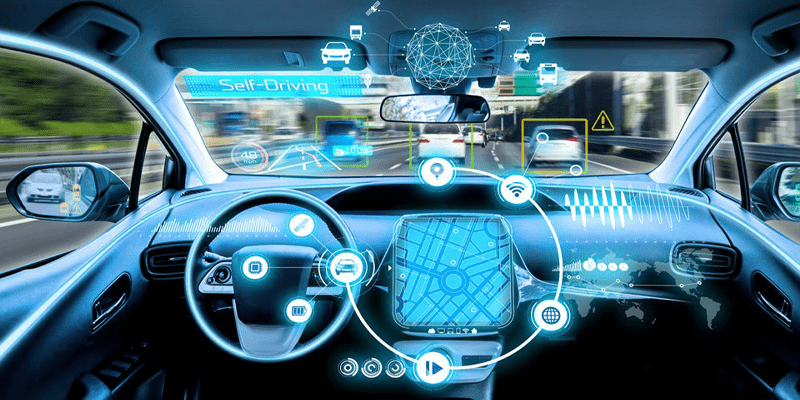
The implementation of enhanced vehicle safety measures in the automotive industry is crucial for ensuring optimal performance and minimizing risks on the road. Advanced driver-assistance systems (ADAS) play a key role in enhancing safety by providing features such as lane departure warnings, automatic emergency braking, and adaptive cruise control.
These systems rely on big data analytics to process information from various sensors and cameras in real-time, enabling vehicles to react swiftly to potential hazards. Additionally, vehicle-to-everything (V2X) communication systems leverage big data to enhance safety by allowing vehicles to communicate with each other and with infrastructure, sharing critical information like road conditions and potential collisions.
Personalized Driver Experiences
To enhance overall driving satisfaction, automakers are increasingly leveraging big data insights to tailor personalized driver experiences. By analyzing vast amounts of data collected from various sources such as in-car sensors, GPS systems, and driver behavior patterns, automakers can create personalized driving profiles for individual users.
These profiles can include preferred seating positions, climate control settings, entertainment preferences, and even driving modes based on past behaviors. With this detailed understanding of the driver’s preferences and habits, automakers can offer a more tailored driving experience, leading to increased customer satisfaction and loyalty.
Additionally, personalized driver experiences can also contribute to improved safety by alerting drivers to potential hazards based on their specific driving tendencies.
Improving Traffic Management
Utilizing extensive data analytics, automobile industry professionals aim to enhance traffic management efficiency through data-driven strategies. By analyzing real-time traffic data, such as congestion patterns, accident reports, and weather conditions, stakeholders can optimize traffic flow, reduce bottlenecks, and improve overall road safety.
Advanced algorithms process this information to predict traffic volumes and adjust signal timings accordingly, leading to smoother traffic transitions and reduced travel times. Additionally, historical data analysis enables the identification of recurring traffic issues, facilitating the implementation of targeted solutions to alleviate congestion hotspots.
Through the integration of big data analytics into traffic management systems, the automotive industry is revolutionizing urban mobility, paving the way for smarter, more efficient transportation networks.
Conclusion
In conclusion, big data plays a crucial role in the automotive industry. It enables data collection and analysis, predictive maintenance solutions, enhanced vehicle safety measures, personalized driver experiences, and improved traffic management.
By harnessing the power of big data, automakers can enhance efficiency, optimize performance, and provide a more personalized and safe driving experience for consumers.
The integration of big data technologies in automobiles is revolutionizing the industry and shaping the future of transportation.